Ye Wang

701 W. 168th St.
New York, NY 10032
I am a postdoctoral research scientist in the laboratory of Prof. Chaolin Zhang at Columbia University Irving Medical Center. I am interested in how nature writes, reads, and edits information in DNA and RNA, and how we can learn from these systems to build programmable therapeutic technologies.
My fascination with nucleic acid design started during my PhD training at Tsinghua University, where I worked on promoter de novo design and became increasingly drawn to the logic of RNA design. To me, DNA and RNA sequences are not just strings of bases; they are compact regulatory programs shaped by evolution, carrying instructions that can be decoded, redesigned, and eventually repurposed.
Today, my research combines RNA biology, regulatory genomics, and AI-driven biological engineering through iterative, in-the-loop optimization. I develop models and design strategies to understand how sequence and molecular context shape gene regulation, and to engineer functional DNA/RNA elements from first principles.
My long-term goal is to develop scalable RNA-based therapeutic platforms that can correct disease-causing mutations and enable precision medicine for genetic and neurodegenerative disorders. I am especially inspired by a learn-from-nature philosophy: discovering the elegant regulatory solutions already present in biology, and translating them into engineered systems for future medicine.
news
| Aug 19, 2025 | Presented DeltaSplice — a reference-informed computational framework that systematically predict splice-site usage in human tissues — as a poster at the Eukaryotic mRNA Processing 2025 meeting at Cold Spring Harbor Laboratory. |
|---|---|
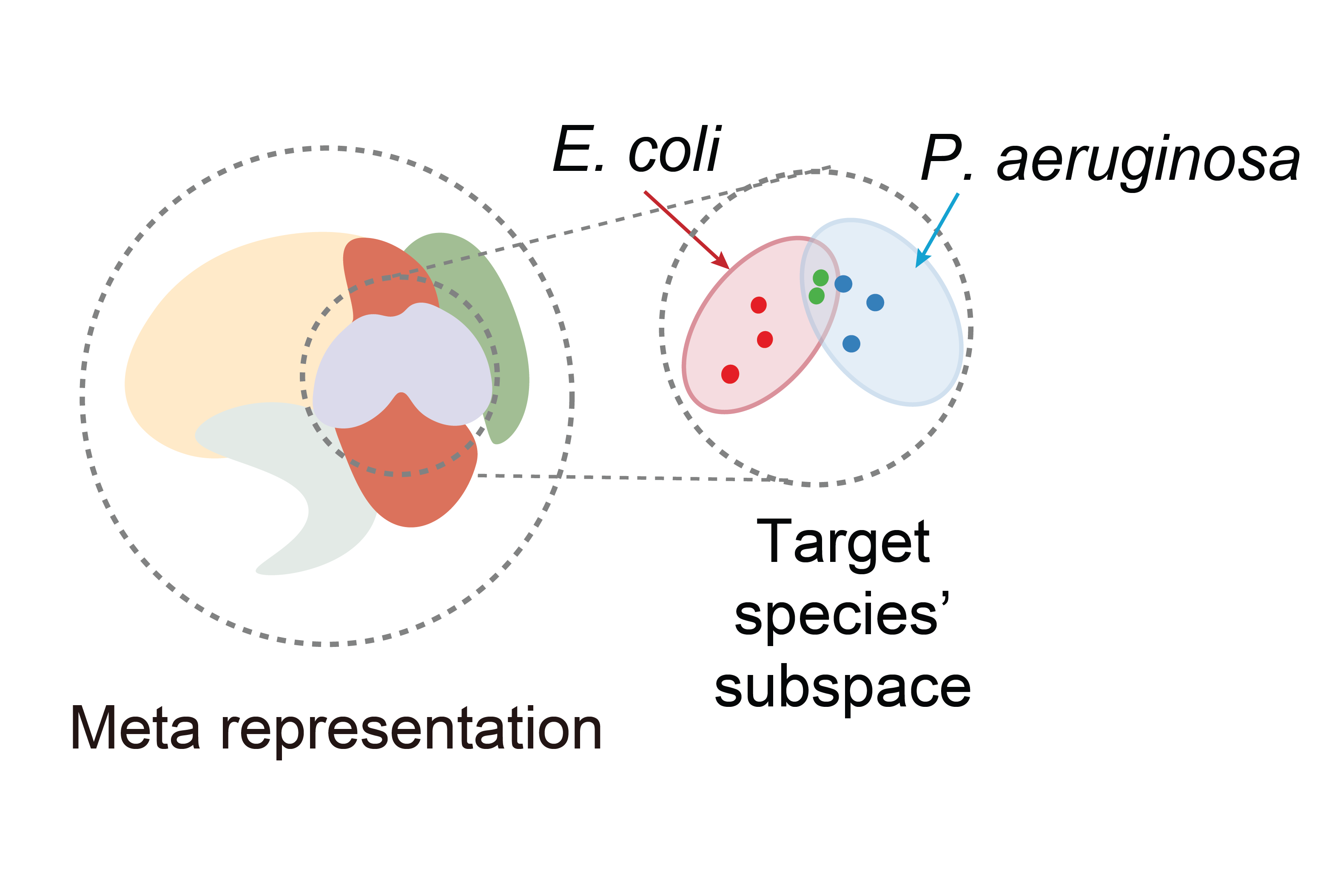
| Feb 19, 2025 | Our paper introducing DeepCROSS — a generative AI framework for the inverse design of cross-species bacterial regulatory elements, was selected as a Featured Article in Nature Communications. |
selected publications
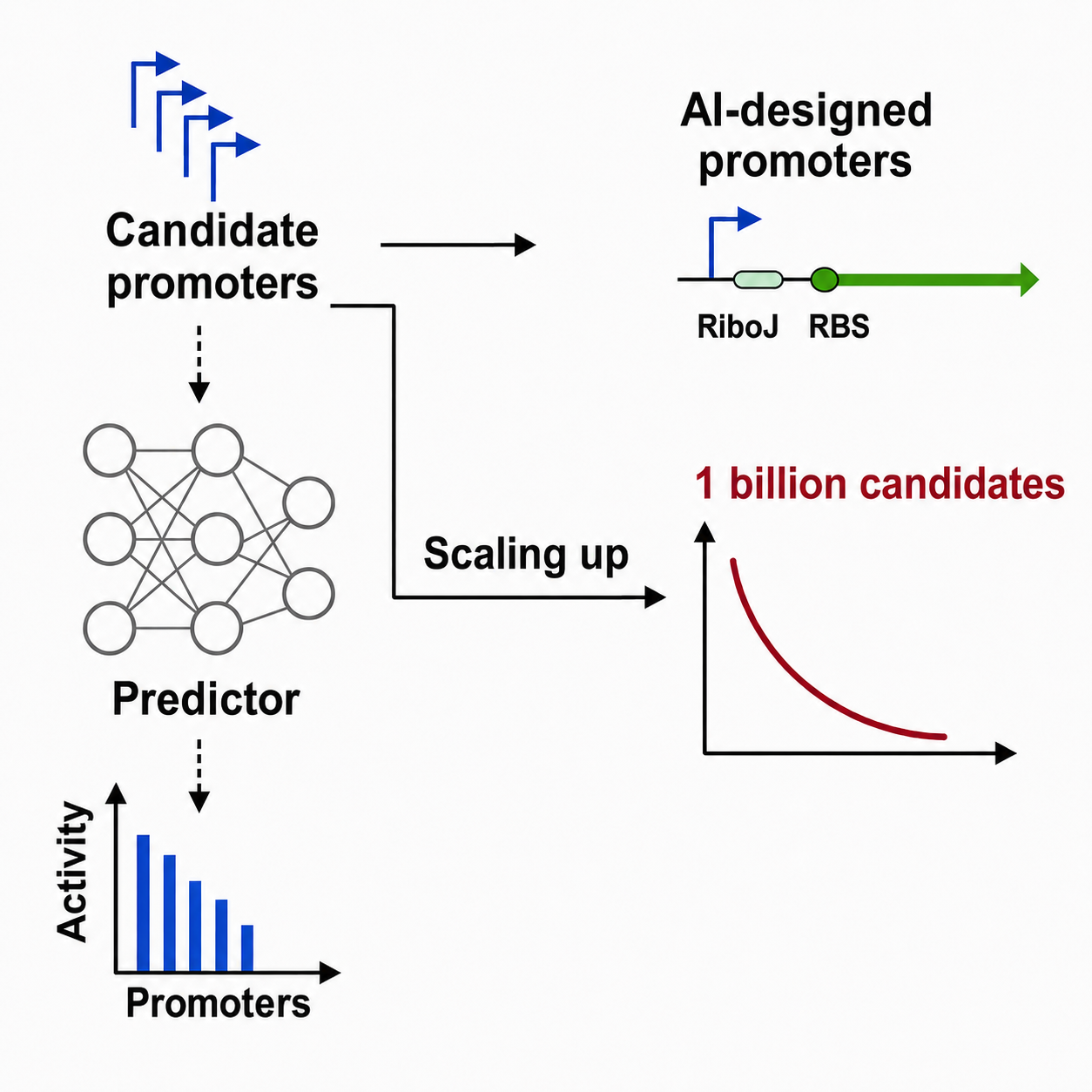 Deep learning unlocks sequence-divergent synthetic promoters to empower Streptomyces natural product engineeringMetabolic Engineering, 96:420–433, Apr 2026