Reference-informed prediction of alternative splicing and splicing-altering mutations from sequences
Chencheng Xu*, Suying Bao*, Ye Wang, Wenxing Li, Hao Chen, Yufeng Shen, Tao Jiang†, and Chaolin Zhang†
Genome Research, 34(7):1052–1065, Mar 2024
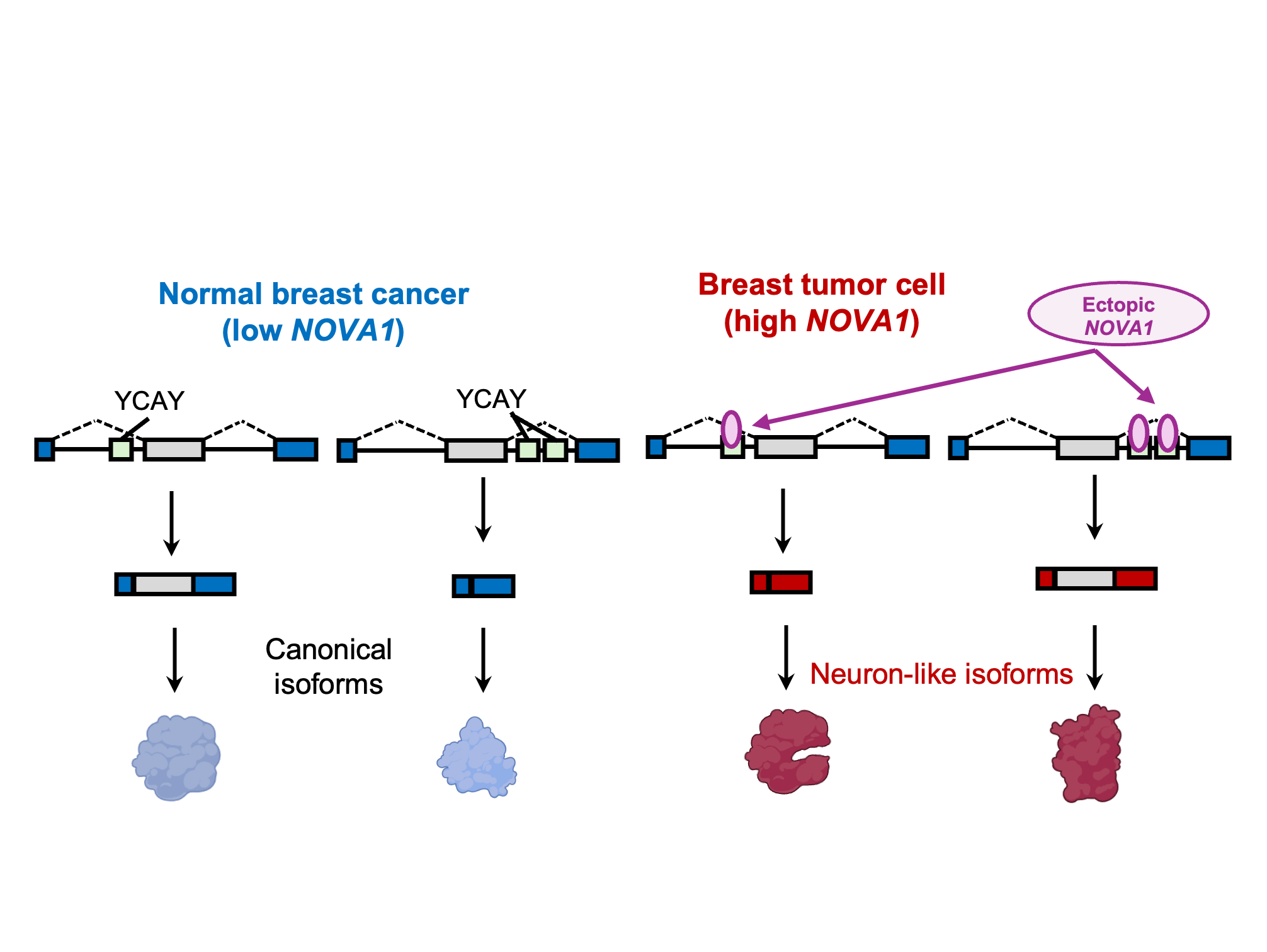
We introduced a reference-informed computational framework that systematically links sequence context to splice-site usage across human tissues, enabling quantitative prediction of splicing-altering mutations. This platform supports functional interpretation of genetic variants in the context of human disease, providing mechanistic insight into how noncoding and coding variants disrupt RNA processing. By transforming large-scale transcriptomic data into predictive models of splicing regulation, our work facilitates clinically meaningful variant prioritization, improves the interpretation of patient genomic data, and informs the rational design of RNA-targeted therapeutic strategies. This framework bridges fundamental RNA biology with translational medicine, creating a scalable foundation for precision diagnostics and RNA-based therapeutic development.
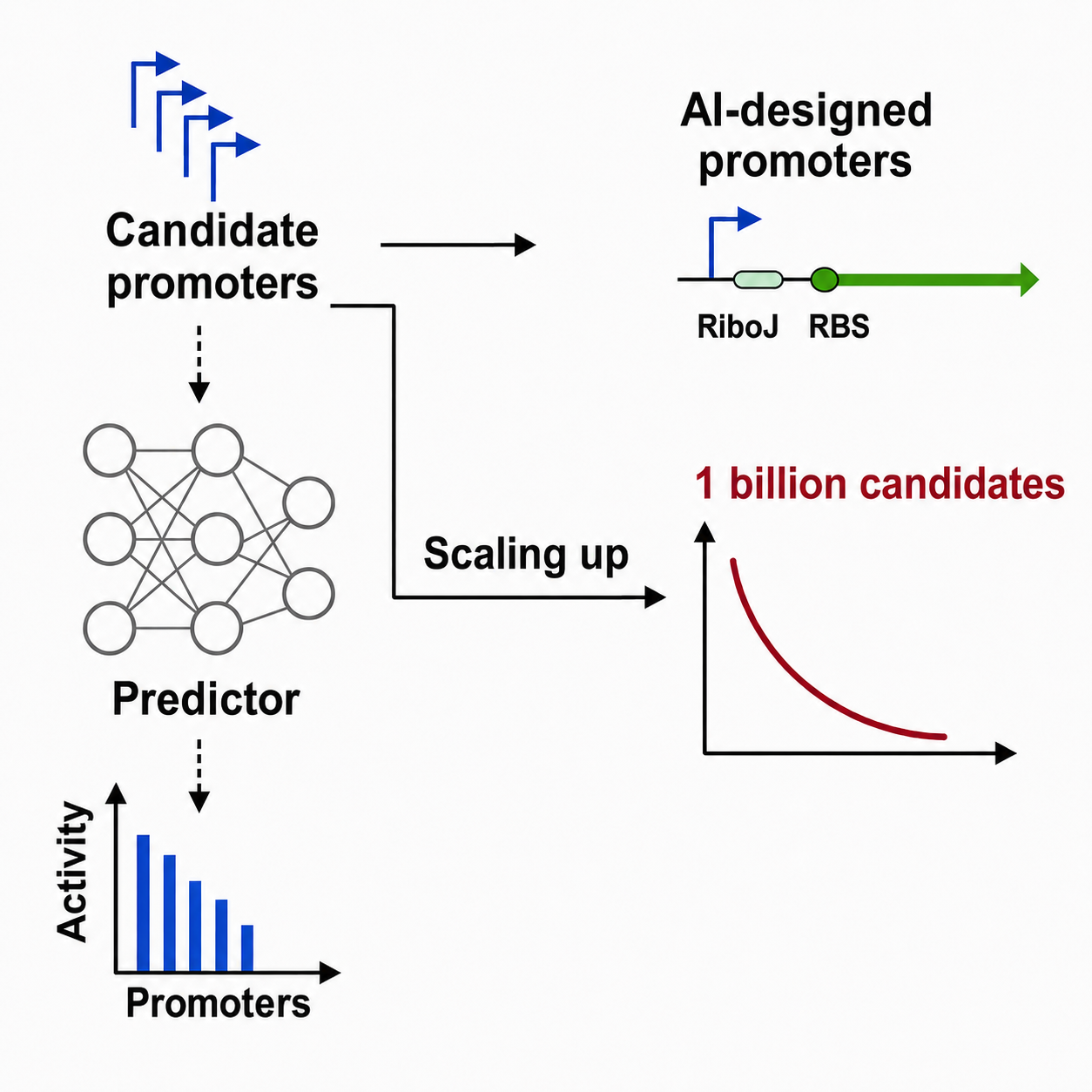 Deep learning unlocks sequence-divergent synthetic promoters to empower Streptomyces natural product engineeringMetabolic Engineering, 96:420–433, Apr 2026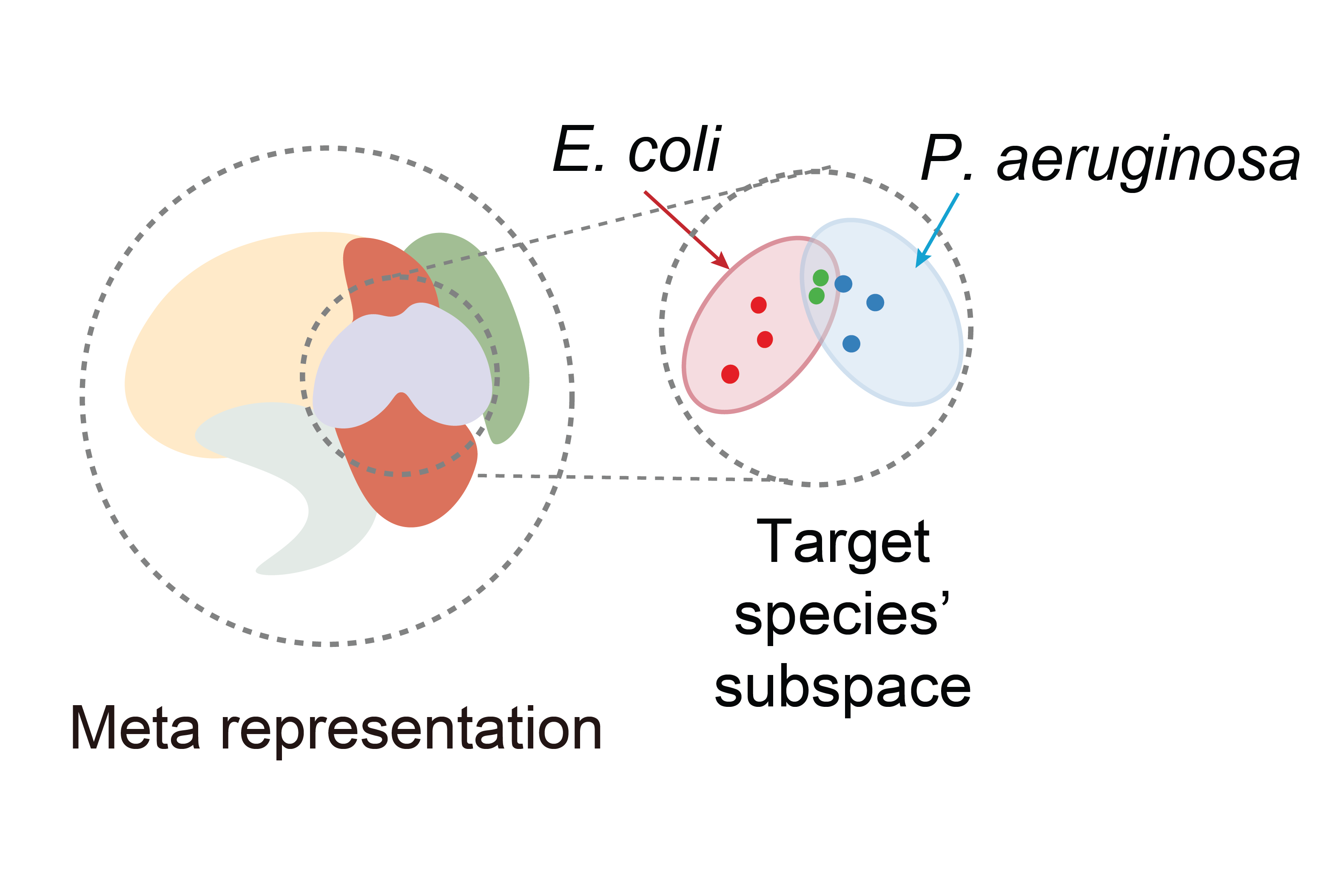
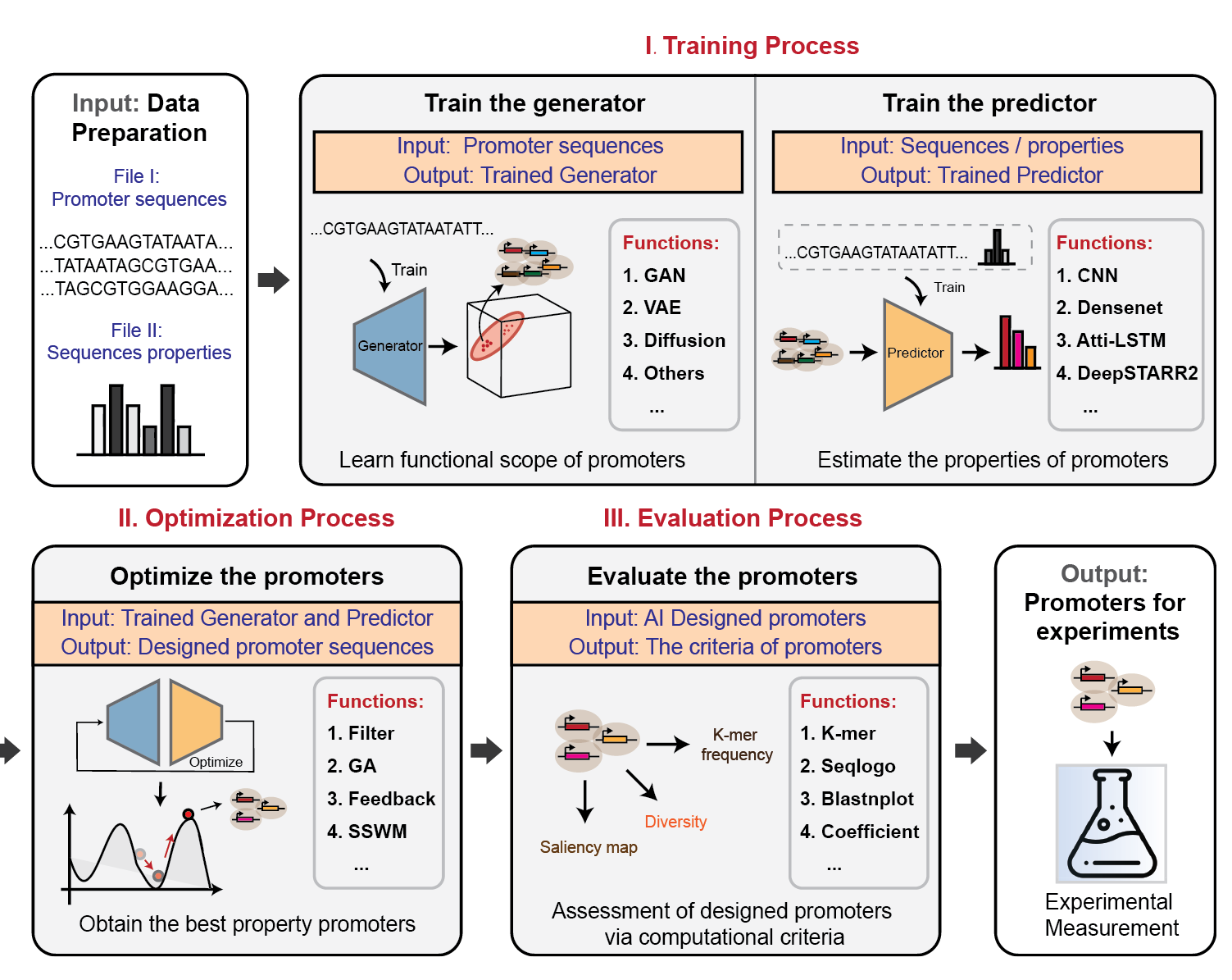 GPro: generative AI-empowered toolkit for promoter designBioinformatics, 40(3):btae123, Mar 2024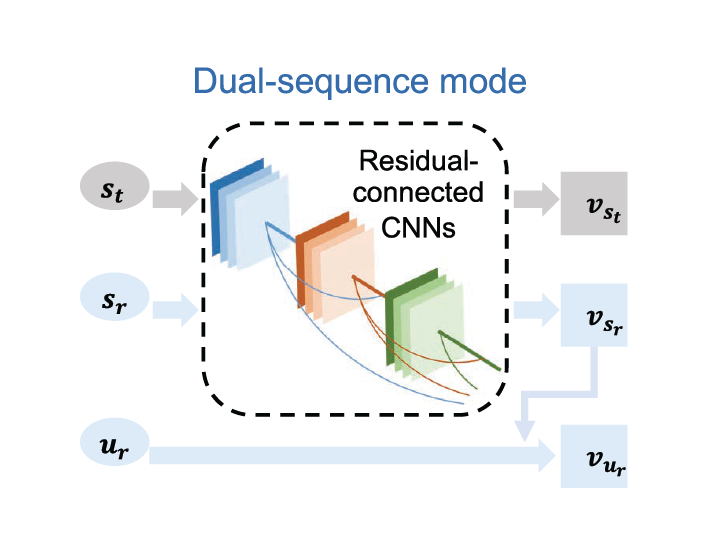
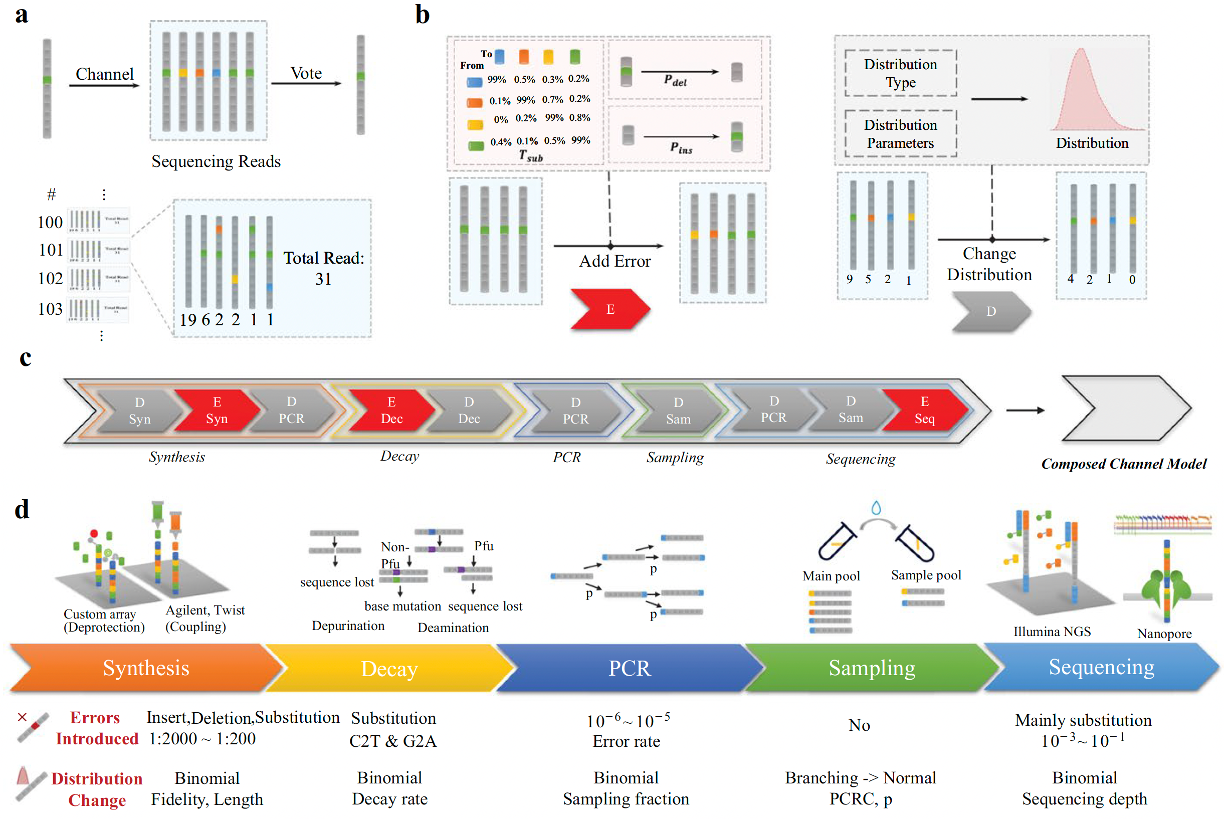 DeSP: a systematic DNA storage error simulation pipelineBMC Bioinformatics, 23(1):185, Mar 2022